Andrea and Kymber
Boo at the Zoo on 10/26/2018 at 12:00
| K What I know: | W What I wonder: | L What I learned: |
| -Before going to the Zoo, I know there are many different animals there. -I know that the Zoo has penguins, zebras, monkeys, elephants, and many different other animals. -I also know that around each animal you can find posters that tell you different facts about each animal. -They also have tour guides that come at specific times to tell you additional facts about the animals. | -I wonder how many people it takes to keep the Zoo running and how much it costs to feed all of the animals. -I also wonder what qualifications you have to have to work at the Zoo and take care of the animals. | -From looking at the different posters around each animal, I learned that The African savanna is a dangerous place for the Zebra because it must constantly be on guard for predators such as lions, hyenas, and leopards. -I learned that elephants are the largest living land animals, there are actually more warm -weather species of penguins than cold -Kangaroos are nocturnal. |
Flamingos
Lions
Giraffes
Reflection: I think by going to the Zoo I will be able to relate to my students better. Every child loves going to the Zoo, and most of them have been at least a once, if not a few times. By me going to theZoo and taking pictures, I know have pictures of me there and pictures I could show to my future classroom. I think this would be something the students would love to see, and it might get them excited to go back to the Zoo and learn more about the animals. These pictures would be a great way to Engage my students in an adaptations lesson plan. I could show the students the pictures in the beginning and as a class we could discuss how these animals adapt to their environments. The community Science project is a great way to get your students out of the classroom and more involved in the real world.
Nicholas and Trang
Korean Harvest Festival: Greater Dallas Korean School (9/22) at 9AM
Prezi of Fermentation of Kimchi Lesson: https://prezi.com/3qp8zbadiuow/organisms-and-environment-fermentation/?utm_campaign=share&utm_medium=copy
| K What I know: | W What I want to learn: | L What I learned: |
| – Kimchi goes through process of fermentation – Kimchi is a Korean dish eaten as a side – Fermentation is a chemical change – Three groups of students to teach lesson | – What is needed to make fermentation occur – How to engage students of ranging grade levels to participate in lesson – How to make Kimchi | – The process of making Kimchi and the ingredients needed – Salt is important for the fermentation – Time and temperature of environment matters in process – Students found lesson interesting and fun |
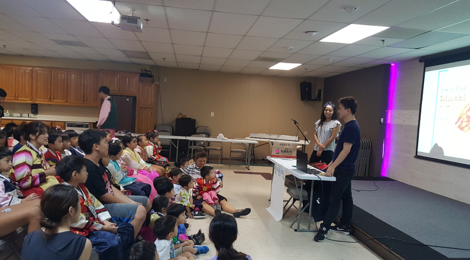
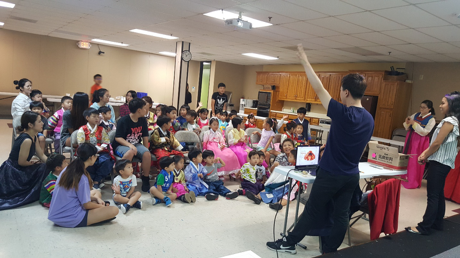
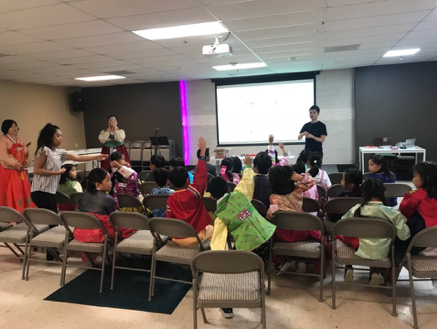
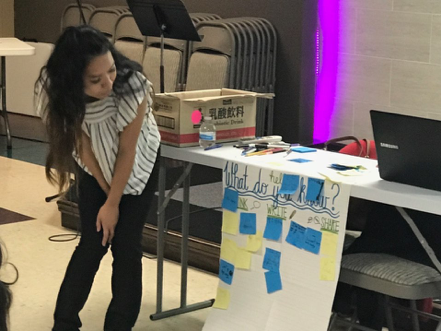
Photos Courtesy of: Eunkyung Choi and Jiyoon Yoon
Reflection: This experience will affect my future classroom because I had learned how to work with students who are from a different culture. I was able to teach them about an item made from their culture to grasp comprehension of a science related terminology. Nicholas’s and I lesson was over organisms and environment. We chose to teach the process of fermentation and use kimchi as an example which is a side dish eaten byKoreans. It is important as a future teacher to incorporate multicultural related materials into teaching for our students to have them feel accepted in the learning environment. The students were able to understand that science occurs in the creation of things they consume. Nicholas and I were able to engage the students in learning the process of fermentation in their known food dish Kimchi. This experience was very rewarding because I was able to gain experience and knowledge on working with students that are cultural. I thought it was very interesting and fun to see the students dress up and speak in their native language to one another. I will do my best in my future teaching to incorporate multicultural activities and learning in my classroom environment.
 Group Animal Adaptation